Can You Wear Hair Extensions in Houston Summer Heat?

Yes, you can wear hair extensions in Houston summer heat, but the installation method, root drying, product use, sun protection, and maintenance schedule matter more during hot, humid months. Lightweight, professionally installed extensions are usually the most comfortable option when your routine includes sweat, pool days, workouts, outdoor events, or frequent washing.
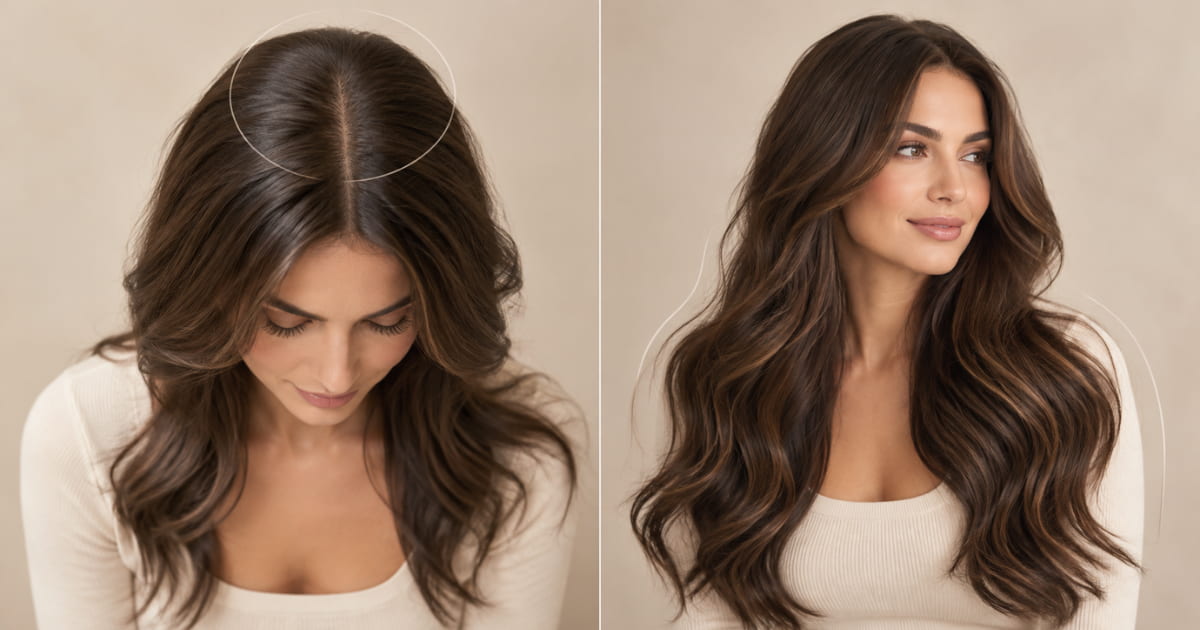
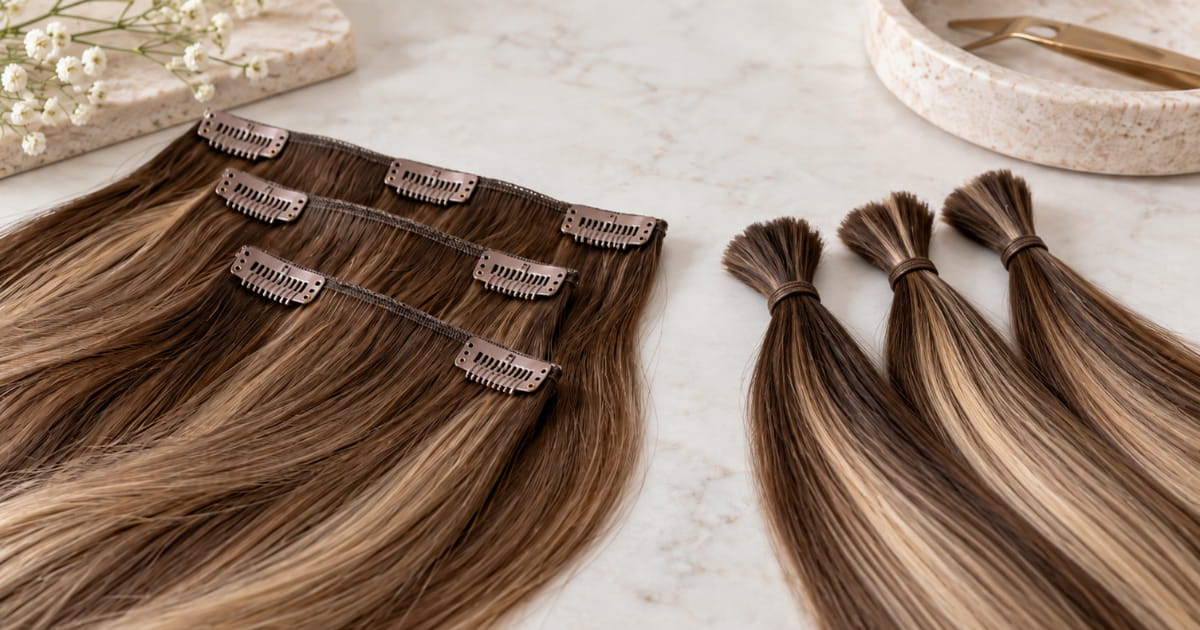
For many Houston clients, Ice Fusion Hair Extensions can be a strong summer option because the tiny strand-by-strand bonds feel lightweight, move naturally, and are applied using a specialized cold fusion adhesive/gel without heat.
The best result depends on your natural hair density, scalp comfort, lifestyle, workout habits, styling routine, and how often your hair is exposed to humidity, sweat, direct sunlight, pool water, salt water, or frequent washing.
Houston summer hair extensions checklist
To keep hair extensions comfortable in Houston summer:
- choose a lightweight method and professional installation
- dry the root and bond area fully after washing, sweating, or swimming
- wet hair and apply extension-safe leave-in conditioner from mid-lengths to ends before swimming
- brush gently every day, section by section, from ends to roots
- avoid oils and heavy conditioners near the bonds
- secure hair before workouts, swimming, pool days, or sleep
- rinse after chlorine or salt water
- protect extensions from direct sun with a lightweight hat, scarf, or breathable covering
- avoid wearing sunglasses on top of your head
- never sleep with damp extensions
- keep reinstall or maintenance appointments on schedule
This article is not a general guide to every extension method. It is a practical summer guide for wearing hair extensions in Houston heat, humidity, sweat, swimming, workouts, vacations, outdoor events, and event season.
Can you wear hair extensions in Houston summer heat?
Yes, you can wear hair extensions in Houston summer heat, but your summer plan needs to be realistic. Houston humidity, sweat, pool days, outdoor events, direct sun exposure, and frequent washing can all affect how extensions feel, blend, and hold up between appointments.
The goal is not just longer hair. The goal is hair extensions that stay comfortable, discreet, and manageable through real Houston weather. That means choosing the right method, using high-quality hair, keeping the root area dry, brushing consistently, protecting the hair from excess sun exposure, and scheduling maintenance on time.
At Bloom Studio Hair Extensions, the consultation looks at your natural density, scalp comfort, lifestyle, workout routine, styling habits, and exposure to humidity before recommending the safest approach. This is especially important if you are new to extensions, have fine hair, sweat often, swim frequently, spend time outdoors, or want a low-maintenance summer routine.
Why Houston summer is different for hair extensions
Houston summer can be harder on hair extensions because moisture tends to stay in the hair and near the roots longer. Sweat, humidity, pool days, outdoor events, sunscreen, direct sunlight, and frequent styling can make extensions more likely to feel dry, coated, tangled, or harder to manage if they are not cared for properly.
The biggest summer issues are usually:
- damp roots after washing, sweating, or swimming
- frizz where natural hair and extension hair react differently
- product buildup near the bonds
- sunscreen residue on the hair
- tangling near the root area
- dryness from chlorine, salt water, and sun exposure
- heavier styling products used to fight humidity
- delayed maintenance appointments
In addition to seasonal exposure, hard water can contribute to mineral buildup on hair extensions, which may affect softness, shine, detangling, or the appearance of lighter colors over time.
This does not mean extensions are a bad idea in summer. It means your extension plan should match the season. A summer-ready installation should be lightweight, well blended, easy to brush, and supported by a realistic hair extension care routine.
What extensions work best in heat and humidity?
Lightweight, professionally installed extensions usually work best in heat and humidity. In Houston summer, the best method is one that keeps weight low, allows natural movement, blends well when the hair reacts to humidity, and is easy to dry at the roots.
For many clients, cold fusion hair extensions may be a good fit because the small bonds can be customized around natural hair density, color, texture, and styling habits.
The right method should do three things well:
- stay secure without feeling heavy
- blend naturally even when your hair expands or frizzes in humidity
- allow enough movement so the hair does not feel bulky in warm weather
No extension method is completely maintenance-free in Houston’s climate. Even the best installation still needs proper brushing, washing, drying, product use, sun protection, and maintenance or reinstall appointments at the right time.
Summer comparison: Ice Fusion, tape-ins, sew-ins, k-tip and clip-ins
For Houston heat and humidity, the best extension method is usually the one that keeps weight low, allows comfortable movement, and can be maintained easily after sweat, washing, or pool exposure.
For a deeper method comparison, read Ice Fusion vs Tape & Keratin Extensions. If your main concern is discreet blending in Houston humidity, you may also want to read What Are the Best Invisible Hair Extensions for Houston’s Climate?.
Why Ice Fusion can work well in Houston summer
Ice Fusion Hair Extensions can be a strong warm-weather option because they are installed strand by strand with tiny bonds rather than wide panels or heavy rows. This helps the stylist customize weight, placement, density, and bond size more precisely.
That matters in Houston because summer hair is not static. Your natural hair may expand, frizz, flatten, or hold moisture differently depending on the day. A lightweight installation gives the hair more natural movement and can make daily styling feel easier.
Ice Fusion may be especially helpful for clients who want:
- discreet bonds
- natural movement
- flexible ponytails or soft updos
- customized density
- no heat used during installation
- a more lightweight feel than heavier methods
The final result still depends on consultation, bond sizing, color match, blending, home care, and maintenance timing. If you are not sure whether your hair density can support extensions in summer, start with a Hair Extension Consultation before choosing length or volume.
Summer care routine for hair extensions in Houston
Houston summer care is mostly about preventing dryness, tangling, discoloration, and moisture buildup near the bonds. Heat, humidity, chlorine, salt water, sunscreen, sweat, and direct sun exposure can all affect how extensions look and feel, so your routine should be more intentional during the hottest months.
1. Wet your hair before swimming
Before swimming, gently wet your hair with clean fresh water. This helps reduce how much pool water or salt water the hair absorbs.
After wetting the hair, apply an extension-safe leave-in conditioner from the mid-lengths to ends only. Avoid applying leave-in conditioner, oils, or heavy products near the roots or bond area because buildup around the bonds can make the hair harder to brush and maintain.
This step is especially helpful for blonde, highlighted, or color-treated extension hair because chlorine, minerals, and salt water can contribute to dryness, dullness, or unwanted discoloration.
2. Secure your hair before pool, beach, workouts, or sleep
Do not swim, work out, or sleep with loose extensions. Loose hair can tangle faster when combined with sweat, wind, water, or friction.
Before swimming, exercising, or going to bed, secure your hair in a low ponytail, loose braid, or soft low bun. Avoid tight styles that pull on the roots or place tension on the bonds.
For sleeping, make sure the hair is fully dry first. Then secure it gently in a loose braid or low ponytail to reduce friction overnight.
3. Rinse your hair after swimming
After swimming, rinse your hair with fresh water as soon as possible. This helps remove chlorine, salt, sweat, sunscreen residue, and minerals that can dry out the hair or affect color.
After rinsing, gently detangle the hair and dry the root and bond area fully. Do not let the roots stay damp after a pool day, beach day, or heavy sweating. Damp roots can make tangling near the bonds more likely and may make the extensions feel less comfortable.
4. Use mineral-based sunscreen on your body
In summer, sunscreen is important, but some body sunscreens can leave residue on extension hair or contribute to discoloration, especially on lighter blonde or highlighted hair.
To reduce this risk, use a mineral-based sunscreen on your body when possible and try to keep sunscreen away from your extension hair. After applying sunscreen, wash or wipe your hands before touching your hair. Be extra careful around the shoulders, neck, and back because the hair often rests on those areas.
If your extension hair starts looking peachy, orange, dull, or coated after pool or beach days, book a check-in before trying harsh clarifying products at home.
5. Protect your hair from direct sun exposure
Try not to keep your extensions under direct sunlight for long periods, especially during Houston’s strongest summer heat. Direct sun exposure can contribute to dryness, fading, dullness, and a rougher feel over time.
When you are outside for a long time, wear a lightweight hat, silk or satin-lined cap, loose scarf, or other breathable hair covering. Choose something that protects the hair without rubbing aggressively against the bonds.
If you wear a hat, make sure it is not too tight around the bond area. Tight hats, rough fabrics, and repeated friction can make tangling or discomfort worse.
6. Brush every day, section by section
Brush your extensions every day with an extension-safe brush. For the most thorough routine, section the hair row by row and brush gently from ends to roots while supporting the hair near the root area with your hand.
Do not only brush the top layer. In summer, tangles often form underneath, near the nape, around the sides, and close to the bonds where sweat and humidity collect.
A good Houston summer brushing routine is:
- brush in the morning
- brush after being outside
- brush after workouts
- brush after swimming and rinsing
- brush before bed
Always start near the ends, then work upward. Avoid aggressive pulling from the roots down.
7. Do not wear sunglasses on top of your head
Avoid placing sunglasses on top of your head when wearing hair extensions. The arms of the sunglasses can catch, pull, or disturb the installation, especially near the crown, sides, or bond areas.
This can create tangling, tension, or unnecessary stress on the extensions. Instead, keep sunglasses on your face, in a case, or clipped to your bag or clothing.
8. Dry your roots fully every time
Root drying is one of the most important summer rules. After washing, swimming, sweating, or getting caught in humid weather, make sure the root and bond area is fully dry.
Gently towel-dry first, then use a blow dryer on a safe setting to dry around the bonds. The lengths can be dried more gently depending on your stylist’s instructions, but the roots should not stay damp.
Never go to bed with damp hair extensions. Summer moisture plus sleeping friction can quickly lead to tangling near the root area.
9. Avoid heavy products near the bonds
In Houston summer, heavy oils, greasy conditioners, thick creams, and sticky sprays can mix with sweat, sunscreen, humidity, and pool residue around the attachment area. Keep these products on the mid-lengths and ends, and keep the roots and bonds clean, dry, and free from heavy buildup.
10. Keep summer maintenance on schedule
Summer is not the best time to stretch your reinstall or maintenance appointment too far. Sweat, humidity, swimming, and frequent washing can make grown-out bonds harder to manage.
Many clients need hair extension maintenance or reinstall appointments around 10–14 weeks, depending on growth, density, lifestyle, and home care. If your roots feel tangled, heavy, sticky, or harder to separate, schedule your maintenance appointment sooner.
For a personalized summer routine, start with a Hair Extension Consultation at Bloom Studio Hair Extensions so your stylist can consider your hair density, lifestyle, swimming habits, workout routine, and Houston humidity exposure.
How often should you wash hair extensions in Houston summer?
Most clients should wash hair extensions as needed based on sweat, oil, workouts, product buildup, and scalp comfort. In hot, humid weather, the key is not only how often you wash, but how carefully you dry the root and bond area afterward.
If you sweat heavily, work out often, or spend a lot of time outside, you may need to wash or refresh your scalp more frequently. Over-washing can dry the lengths, while under-washing can allow sweat and buildup near the scalp.
During your consultation or maintenance appointment, your stylist can recommend a routine based on your hair type, scalp oil, lifestyle, and extension method.
Can humidity make hair extensions frizzy?
Yes, humidity can make hair extensions look frizzy if the hair is dry, coated with heavy products, not brushed consistently, or reacting differently from your natural hair. This is especially common when natural hair and extension hair have different textures or moisture levels.
To reduce frizz, use lightweight extension-safe products, avoid heavy oils near the bonds, dry the roots fully, and brush consistently. A proper color match, texture match, and blending during installation also help the extensions look more natural in humid weather.
If your main concern is a discreet finish in Houston weather, explore natural-looking Ice Fusion Hair Extensions and bring your everyday styling concerns to the consultation.
What hairstyles are best for extensions in Houston heat?
Low ponytails, loose braids, soft buns, and controlled updos usually work well for extensions in Houston heat because they reduce tangling and keep the hair more manageable during sweat, wind, or humidity.
Avoid tight styles that pull on the roots or bonds. If you wear your hair up often, mention this during your consultation so your stylist can plan placement that supports ponytails, soft updos, and daily styling.
Ice Fusion Hair Extensions are often chosen by clients who want more flexible styling because the bonds are small and placed strand by strand. Still, placement matters. Your stylist should know if you regularly wear ponytails, buns, braids, workout styles, or event updos.
Can extensions feel too hot in summer?
Extensions can feel warmer in summer if too much hair is installed, the method is too heavy, or the placement does not match your lifestyle. This is why consultation matters.
A summer-friendly extension plan should consider:
- how much density your natural hair can support
- whether you wear your hair up often
- how often you exercise
- how much you sweat
- whether you swim
- how often you spend time in direct sun
- how often you style with heat
- how much daily care you are realistically willing to do
For some clients, a lighter volume plan is better than adding the maximum amount of hair. The most flattering result is not always the fullest result. In Houston summer, comfort and airflow matter.
Signs Houston heat is affecting your extensions
Book a check-in or maintenance appointment if you notice:
- tangling near the roots
- bonds growing down and feeling harder to separate
- pulling or tension
- extensions no longer blending smoothly
- frizz that does not improve with proper care
- dryness, dullness, or discoloration after sun, pool, or beach exposure
- roots staying damp too often
- product or sunscreen buildup near the bonds
- styling taking much longer than usual
These signs do not always mean something is wrong with the installation. Sometimes they mean your summer routine needs adjustment or your reinstall timing is getting close.
Which Product Habits Matter Most in Houston Summer?
Summer product care should focus on sweat, humidity, chlorine or salt water, sunscreen transfer, and thorough cleansing rather than adding more layers of product.
Good Houston summer product habits include:
- using a gentle, extension-appropriate shampoo when sweat, oil, or pool residue needs to be cleansed;
- applying lightweight conditioner only through the mid-lengths and ends;
- using heat protectant on the lengths before blow-drying or styling;
- keeping oils, rich creams, and sticky sprays away from the bond area;
- washing or wiping your hands after applying sunscreen to reduce transfer onto the hair; and
- using clarifying, toning, or other treatment products only when recommended for the extension of hair.
For detailed guidance on shampoo, oils, serums, conditioners, masks, and bond-area placement, read the complete Ice Fusion product guide.
Are hair extensions a good idea before a Houston vacation, wedding, or event?
Yes, hair extensions can be planned before a Houston vacation, wedding, photoshoot, or other event, but the appointment sequence should reflect the client’s natural hair, color plan, styling needs, and maintenance cycle.
Planning a wedding? See our complete bridal hair extension timeline for Houston brides to coordinate consultation, color matching, installation, the bridal hair trial, and any necessary professional check before choosing an installation date.
Who needs extra caution in Houston summer?
Some clients may need a more conservative plan during summer. This includes clients with very fine hair, active shedding, sensitive scalp, heavy workouts, frequent swimming, long outdoor exposure, or limited time for drying and brushing.
A consultation helps determine whether to install a full transformation, choose a lighter volume plan, wait until shedding improves, or adjust the maintenance schedule. The goal is always to protect comfort, blend, and long-term wear.
If you are unsure whether your hair is strong enough for extensions, schedule a consultation with Bloom Studio Hair Extensions before choosing length, volume, or installation timing.
Key takeaways
Hair extensions can be comfortable in Houston summer when the installation is lightweight, the roots are kept dry, and the client follows a consistent care routine. For many clients, Ice Fusion Hair Extensions may be a strong option because they use tiny strand-by-strand bonds, customized placement, and a specialized cold fusion adhesive/gel without heat.
Still, the method is only one part of the result. To keep hair extensions comfortable in hot, humid weather, dry your roots fully, brush consistently, avoid heavy products near the bonds, secure hair before workouts or swimming, protect the hair from direct sun exposure, avoid sunscreen transfer, and keep maintenance appointments on time.
At Bloom Studio Hair Extensions in Houston, the safest plan starts with a Hair Extension Consultation. A Hair Extension Specialist can evaluate your natural hair, lifestyle, density, color goals, swimming habits, outdoor routine, and summer care needs before recommending the best installation plan for you.
Frequently Asked Questions
Can I swim or exercise with Ice Fusion Hair Extensions?
Yes, many clients can swim and exercise while wearing Ice Fusion Hair Extensions. Secure the hair in a loose braid or low style before activity, rinse after chlorine or salt water, and dry the roots and bonds fully afterward. Sweat, sunscreen, salt, chlorine, and Houston humidity can increase buildup, dryness, or tangling, so consistent brushing and aftercare are important. Contact Bloom Studio Hair Extensions if the bonds begin to pull, join together, or feel uncomfortable.
How can I make my hair extensions last longer in Houston’s humidity?
To support comfortable wear in Houston humidity, keep heavy oils and conditioners away from the bonds, brush gently while supporting the roots, and dry the root and bond area fully after washing, swimming, or heavy sweating. Many clients need a reinstall after about 10–14 weeks, but timing varies with natural hair growth, density, product use, lifestyle, home care, and bond condition. Follow the schedule recommended for your installation rather than waiting for a fixed four-month date.
Learn more: Hair Extension Care Plan.
Should I wet my hair before swimming with extensions?
Yes, it is helpful to wet your hair with clean fresh water before swimming. You can also apply an extension-safe leave-in conditioner from the mid-lengths to ends to help reduce dryness from chlorine or salt water.
Can sunscreen discolor hair extensions?
Some body sunscreens may leave residue on extension hair or contribute to discoloration, especially on lighter blonde or highlighted hair. Use mineral-based sunscreen when possible, keep sunscreen away from the hair, and wash or wipe your hands before touching your extensions.
Can sweat damage hair extensions in Houston summer?
Sweat does not automatically damage hair extensions, but letting sweat sit near the roots can increase buildup, tangling, and discomfort. After heavy sweating, gently brush the hair, dry the root area, and wash when needed using an extension-safe routine.
Can I let my hair extensions air-dry in Houston summer?
It is better not to leave the root or bond area damp in Houston summer. You may let the lengths air-dry when appropriate, but the roots should be dried fully after washing, sweating, or swimming to help reduce tangling and discomfort.
Should I wear a hat with hair extensions in summer?
Yes, a lightweight hat, scarf, or breathable hair covering can help protect extensions from direct sun exposure. Choose something that is not too tight and does not rub aggressively against the bonds.
Can I wear sunglasses on top of my head with hair extensions?
It is better not to wear sunglasses on top of your head with extensions. The arms of the sunglasses can catch, pull, or disturb the installation and may create tangling or tension near the bonds.
How often should I wash hair extensions in Houston summer?
Most clients should wash hair extensions as needed based on sweat, oil, workouts, and product buildup. In Houston summer, the key is not just how often you wash, but making sure the root and bond area is fully dry afterward.
What hairstyle is best for extensions in Houston heat?
Low ponytails, loose braids, soft buns, and controlled updos usually work well in Houston heat because they reduce tangling and keep hair more manageable during sweat, wind, or humidity.