Can You Wear Ice Fusion Hair Extensions in a High Ponytail or Updo?
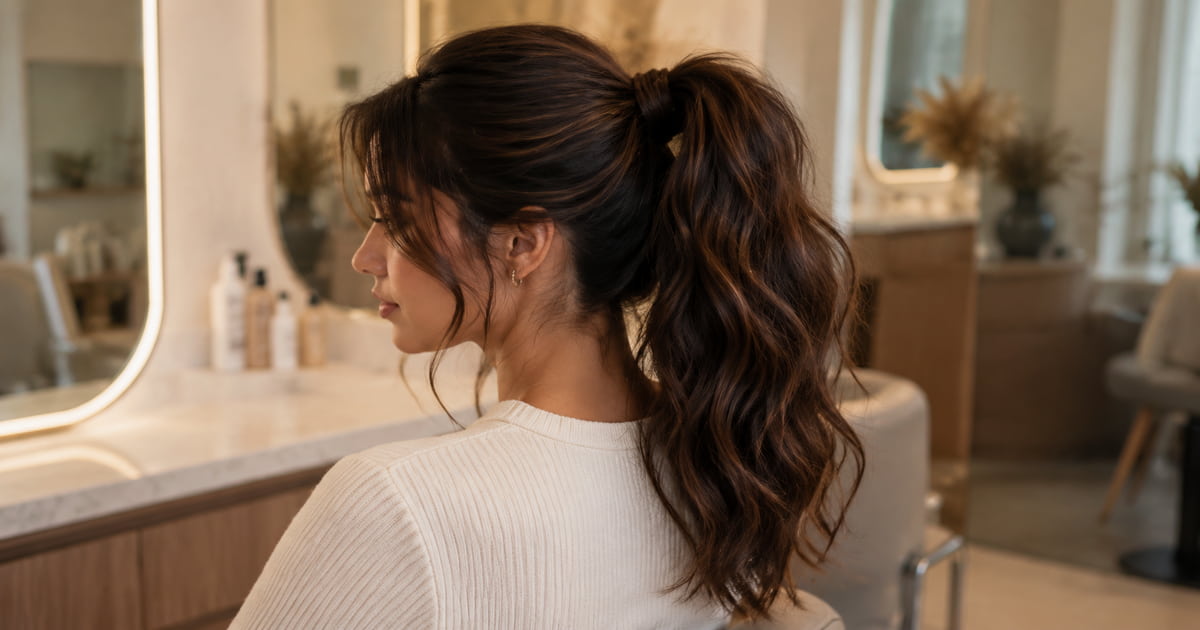
Yes, many clients can wear Ice Fusion Hair Extensions in a high ponytail or updo. Whether the bonds remain discreet depends on natural hair density, hairline and nape coverage, bond size and placement, ponytail height, styling tension, and grow-out. The installation should be planned around the hairstyles you wear most often.
This guide is about styling installed Ice Fusion Hair Extensions into your own ponytail or updo, not using a removable ponytail hairpiece.
At Bloom Studio Hair Extensions, Ice Fusion Hair Extensions are applied strand by strand using a special cold gel or adhesive, without heat. The small individual bonds allow detailed placement, but no installation can guarantee that every attachment will remain invisible in every hairstyle or at every stage of wear.
If styling flexibility is one of your priorities, review our Ice Fusion Hair Extension installation service in Houston and discuss your usual hairstyles before installation.
Can You Wear Ice Fusion Hair Extensions in a High Ponytail?
Many clients can wear Ice Fusion Hair Extensions in a high ponytail when there is enough natural hair to cover the bonds and the placement is planned for upward styling. A relaxed high ponytail may be easier to keep discreet than an ultra-tight, sleek ponytail because extreme tension can separate the hair at the roots and make some attachments easier to see.
A high ponytail changes the direction in which the natural hair and extension strands sit. Hair that normally falls downward is lifted toward the crown, so bonds near the hairline, behind the ears, or at the nape may behave differently than they do when the hair is worn down.
The answer is therefore not based on the method name alone. It depends on how the method is customized for the individual client.
What Determines Whether the Bonds Stay Discreet?
Bond visibility is influenced by the natural hair that covers the attachments, the installation map, and the way the finished style is secured. Small bonds can provide useful placement control, but they still need appropriate coverage and weight distribution.
Bond placement is only one part of a natural result. Color distribution, texture, density, length, and blending also matter. For the broader explanation, read what makes hair extensions look natural.
Why Should Ponytails and Updos Be Planned Before Installation?
Your preferred hairstyles should be discussed before installation because the specialist can use that information when planning where bonds should and should not be placed. A placement map designed only for wearing the hair down may not provide the same coverage in a high ponytail, changing part, or event updo.
During your consultation, explain:
- how often you wear a ponytail, bun, braid, half-up style, or updo;
- whether your usual ponytail is low, mid-height, or high;
- whether you prefer a soft finish or a very sleek, tight style;
- where you normally part your hair;
- whether you need the hair up for work, exercise, or an upcoming event;
- whether any areas around the hairline, temples, behind the ears, or nape have less coverage.
Bring clear photos of the styles you actually wear. Front, side, and back views are more useful than a single inspiration image because they show the direction of the hair and the areas that need coverage.
Which Up Styles Are More Demanding for Hair Extension Placement?
Relaxed low or mid-height ponytails and soft updos are generally easier to keep discreet than very tight, sleek high ponytails. The final result still depends on natural coverage, placement, styling tension, and grow-out, so no specific style can be guaranteed for every installation.
The table below summarizes the main placement considerations for common up styles.
One installation cannot always be optimized for every extreme hairstyle. If you alternate between a center part, deep side part, very high sleek ponytail, and intricate updos, discuss which styles matter most so the placement plan can prioritize them realistically.
How Can You Style a Ponytail Without Unnecessary Tension?
Prepare the hair gently, gather it in sections, and use only enough tension to hold the style securely. A ponytail should not cause persistent pulling, soreness, or pressure around the bonds.
- Detangle the lengths and carefully brush around the attachment areas while supporting the roots.
- Gather the hair gradually instead of pulling every section upward at once.
- Check the hairline, sides, behind the ears, and nape before securing the elastic.
- Keep the style firm enough to hold, but avoid repeatedly tightening it to force the roots flat.
- Place pins beside the extension sections rather than through or directly against the bonds.
- Use styling product lightly on the surface hair and keep heavy oils or conditioners away from the attachments.
- If a bond becomes visible, lower or loosen the style instead of pulling harder to cover it.
An occasional polished updo and a tightly pulled style worn every day create different demands. If you regularly wear high ponytails for workouts or work, that routine should be part of both the installation and maintenance plan.
Can Grow-Out Make the Bonds More Visible in a Ponytail?
Yes. As the natural hair grows, the attachment moves farther from the scalp and has more room to move when the hair is lifted. A ponytail that looked easy to arrange soon after installation may need more adjustment later in the wear cycle.
Grow-out can also change how the hair feels at the roots. Schedule a professional check if:
- several bonds begin to show in styles that previously covered them;
- a ponytail feels uneven, heavy, or uncomfortable;
- attachments pull when the hair is lifted;
- neighboring bonds begin to join or tangle;
- the roots are harder to brush or separate.
If these changes appear, a professional reinstall assessment can confirm whether the bonds should be removed and reapplied. Do not try to reposition, cut, or remove a visible bond at home. The right appointment date is individual.
What Can Before-and-After Photos Tell You?
Before-and-after photos can help you evaluate color matching, density, length, and the overall blend. They do not guarantee that the bonds will remain covered in your exact ponytail or updo, especially if the finished photos show the hair worn down.
Review the Hair Extensions Before and After Houston gallery for realistic length and density references, then bring images of the up styles you want to wear. The most useful comparison is a result with a starting density, length, and texture similar to your own.
Should Your Installation Be Planned Around the Way You Wear Your Hair?
Yes. A well-planned installation should reflect the way you actually style your hair, not only how it looks when worn down. The consultation should identify the parts and up styles you use most, then set realistic priorities for the placement plan.
Bloom Studio Hair Extensions serves clients near the Galleria and Uptown Houston area. During a Hair Extension Consultation in Houston, we assess natural density, coverage, desired length and volume, and everyday styling habits before confirming an Ice Fusion installation plan.
Frequently Asked Questions
Can you wear Ice Fusion Hair Extensions in a high ponytail?
Yes, many clients can wear Ice Fusion Hair Extensions in a high ponytail. The result depends on natural density, hairline and nape coverage, bond size and placement, ponytail height, tension, and grow-out. Your preferred ponytail should be discussed before installation so the placement plan can be customized.
Will Ice Fusion bonds be invisible in every updo?
No method can guarantee that every bond will remain invisible in every updo. Small individual bonds can be placed discreetly, but visibility still depends on natural coverage, the direction of the style, lighting, tension, and how far the bonds have grown from the scalp.
Can I wear a tight high ponytail every day with extensions?
Repeatedly wearing a very tight high ponytail may create unnecessary tension around the natural hair and extension bonds. Alternate with softer styles when possible, avoid tightening a style that feels uncomfortable, and ask for a professional check if you notice persistent pulling, soreness, or visible separation around the attachments.
Do hair extension bonds become more visible as they grow out?
They can. As natural hair grows, the bonds move farther from the scalp and may shift more when the hair is lifted. If a previously discreet ponytail becomes difficult to arrange, or the bonds feel uneven or uncomfortable, it may be time for a professional maintenance assessment.
What should I bring to a consultation if I want to wear updos?
Bring front, side, and back photos of the ponytails, buns, braids, half-up styles, or event updos you wear or want to recreate. Also show your usual part. These references help the specialist understand the direction of the hair, the coverage required, and which styles should be prioritized in the placement plan.